


A Message from IFEDA Amid the Current Wildfires
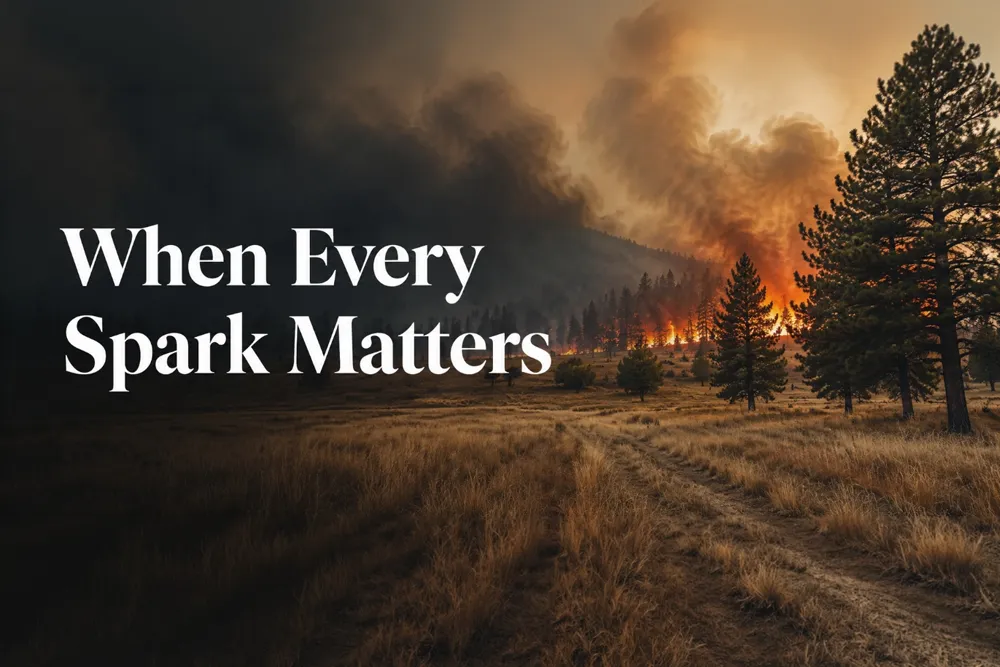
The devastating fires currently affecting communities across the United Kingdom and Europe are a stark reminder of how quickly fire can take hold—and how severe the consequences can become.
IFEDA’s thoughts are with everyone who has been affected, including those who have been forced to leave their homes, those whose businesses and livelihoods have been damaged, and the families and communities facing uncertainty and loss.
We also recognise the extraordinary dedication of firefighters, control room personnel, emergency responders, volunteers and support agencies working in extremely demanding conditions to protect lives, property, wildlife and the environment.
A rapidly developing situation
As of 29 July 2026, major wildfires continue to affect France and Spain following an exceptionally hot and dry period. Large-scale evacuations have taken place, with European resources, aircraft and specialist firefighting teams deployed to support national emergency services.
The United Kingdom has also experienced significant wildfire and outdoor fire activity. Earlier in July, the National Fire Chiefs Council reported 19 active wildfire incidents across England and Wales, involving moorland, agricultural land and other areas of dry vegetation. Fire services had responded to 342 qualifying wildfires by 6 July 2026.
The pressure has extended beyond rural areas. Between Friday 24 and Sunday 26 July, London Fire Brigade received 2,729 emergency calls and attended 1,345 incidents, including grassland, residential and commercial fires.
These incidents demonstrate that wildfire risk is not limited to remote forests or countryside. Dry grass, crops, heathland, parks, roadside vegetation and open spaces close to homes and businesses can all allow fire to spread rapidly.
Prevention remains everyone’s responsibility
Although emergency services are prepared to respond, preventing fires from starting is always safer and more effective than attempting to control them once they have spread.
The NFCC has warned that dry vegetation, low humidity and persistent winds can allow a single spark to develop into a serious incident. It has urged the public to avoid disposable barbecues in parks, moorland, countryside areas and other open spaces, and to dispose of smoking materials and litter responsibly.
During periods of heightened fire risk, everyone should:
- Avoid disposable barbecues in parks, woodland, moorland and open countryside.
- Never discard cigarettes, matches or smoking materials on the ground.
- Take bottles, glass and other litter home where suitable bins are unavailable.
- Follow local restrictions and instructions issued by fire and rescue services or local authorities.
- Keep barbecues at home well away from fences, sheds, vegetation and combustible materials.
- Never use a barbecue on a balcony.
- Call 999 immediately on discovering a fire and ask for the Fire and Rescue Service.
- Move to a safe location rather than attempting to tackle a rapidly spreading outdoor fire.
London Fire Brigade has also warned that disposable barbecues may remain hot for many hours after they appear to have been extinguished.
A reminder for businesses and responsible persons
Periods of extreme heat and increased fire activity should prompt businesses, property managers and responsible persons to reconsider how changing environmental conditions may affect their premises.
This may include reviewing:
- Accumulated waste, dry vegetation and combustible materials around buildings.
- External smoking areas and the safe disposal of cigarettes.
- Storage arrangements for gas cylinders, fuels and flammable products.
- Fire and rescue service access routes.
- The condition and accessibility of fire extinguishers and other firefighting equipment.
- Fire alarm, emergency-lighting and evacuation arrangements.
- Staff awareness and emergency procedures.
- Arrangements for vulnerable occupants or people who may require assistance.
- The potential effect of smoke from nearby outdoor fires on occupants and ventilation systems.
A fire-risk assessment should be treated as a living document. It should reflect the premises, the people using it, the activities being undertaken and any significant changes in risk.
Where an assessment, system inspection or equipment service is required, competent fire-safety professionals should be used.
Preparedness is more than equipment
Effective fire safety is not achieved simply by purchasing equipment or meeting a minimum inspection date. It depends on competent people, appropriate systems, effective maintenance, clear procedures and a genuine commitment to protecting life.
Fire-safety equipment must be correctly selected, positioned, commissioned and maintained. Staff must understand what to do when an alarm is raised, and evacuation procedures must be realistic for the people and premises involved.
The current incidents also demonstrate the importance of wider public education. European officials have emphasised that prevention, land management and awareness of behaviours that can start fires must form part of the response—not firefighting resources alone. Around 90% of wildfires are associated with human activity, including discarded cigarettes and poorly controlled outdoor fires.
IFEDA’s message
IFEDA exists to support competence, professionalism and high standards throughout the fire-safety industry.
At this difficult time, we urge businesses, members of the public and everyone working within the fire sector to remain vigilant. Small actions can prevent serious incidents, reduce pressure on emergency services and protect lives, communities and the environment.
We extend our sincere thanks to every firefighter and emergency responder working to bring these fires under control.
To everyone affected: the thoughts of IFEDA and its members are with you.